

Since 2025
A design house's website, from catalogue to order
Reissued furniture, interior architecture projects, collaborations: a bilingual site that shows a body of work and sells pieces, without keeping visitors waiting.
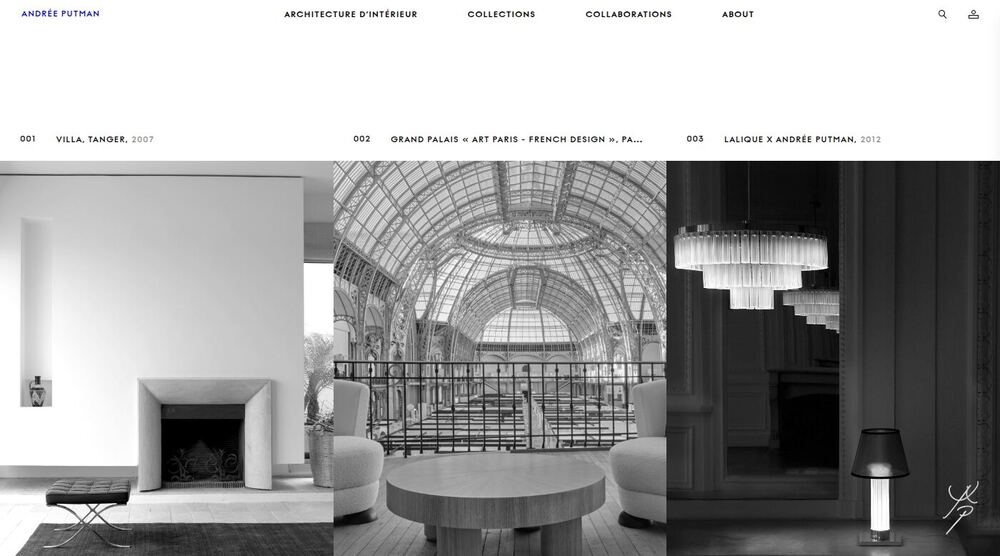
pages published, in French and English
layout shift on the home page (CLS), measured in a real browser
weight of the menu images, at identical display size
lighter: a product page served drops from 234 to 74 KB
The context
A design house lives on what it shows: pieces, interiors, archives. So the site has to carry many images and many pages, in two languages, without becoming slow — while also taking an order, a quote request, and serving architects the technical documents for a piece. The two needs pull in opposite directions: that is what makes this kind of site hard, and where the work actually happens.
The workflow, in motion
What a design page makes you download
A design house lives on its images. The work is not to show fewer of them — it is to serve exactly what is displayed, and to serve it twice, in French and in English.
What the house publishes
- Reissued furniture pieces
- Interior architecture projects
- Collaborations with leading houses
One product page served
234 KB at the start of the project, same content.
- Images resized to their display size, not the size they were delivered in.
- State sent to the browser cut down to the columns actually read.
- Compression and caching applied to static files.
Two complete sites
French and English are both served in full, never one as a partial translation of the other.
Readable by machines
- Structured data linked to the founder's Wikidata entry
- Frequently asked questions declared as such
- An llms.txt file for AI assistants
Nothing was removed to get there: same pages, served differently.
What we did
- The whole site server-rendered: furniture, interior architecture projects, collaborations, journal and the house's history pages.
- The product page and its variants — finishes, dimensions, fittings — with the technical documents (PDF, AutoCAD files) meant for professionals.
- The buying path: basket, addresses, online payment, and an automatic switch to a quote request whenever shipping has to be negotiated.
- Performance, measured then fixed: static file caching, compression, images resized to their display size, animations moved out of layout calculation.
- Search and AI-assistant readability: per-page titles and descriptions, structured data linking the house to its Wikidata entry, FAQ, sitemap and llms.txt file.
- Hosting, deployments and backups, on our own servers.
What changed
- French pages are finally in French: the titles served to search engines had stayed in English, identical to the English ones.
- A product page weighs three times less than at the start of the work, with nothing removed.
- Content no longer jumps under your finger while loading: layout shift went from 0.29 to zero.
- AI assistants now have an accurate source about the house, its dates and its places, instead of what they infer elsewhere.
The services involved
This engagement drew on the following expertise. Each has its own page, with its method and its deliverables.
Other case studies
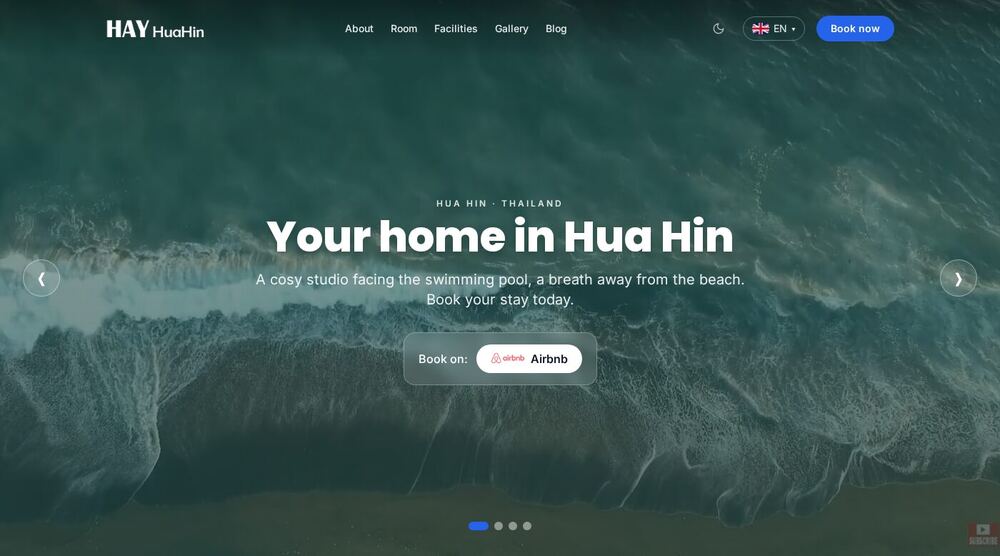
HAY HuaHin
Since 2024A studio rental in Hua Hin, Thailand. Site rebuilt, hosted, deployed and optimised by us — and it is our own money going into the Google Ads campaigns.
Read the case study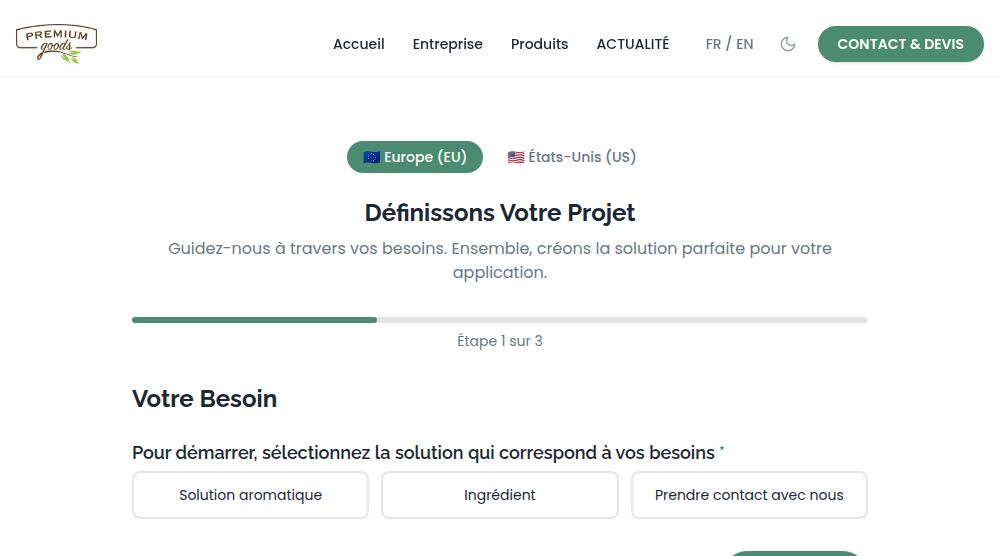
Premium Goods — site public
Since 2018Vanilla, flavours, tobacco: the same product is not named the same way in Europe and in the United States. The public site handles that, from the copy through to the form.
Read the case study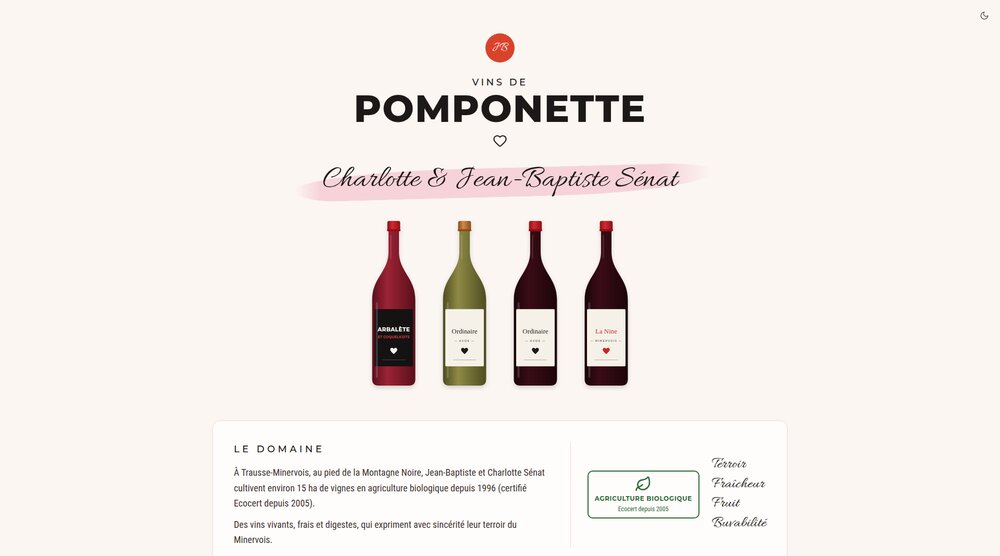
Vins de Pomponette
Since 2026An organic estate in the Minervois, a presentation poster and four wines. A site built from scratch — design, development, SEO, hosting — without a single cookie or a request to a third party.
Read the case studyLet's talk about your project
Thirty minutes is enough to tell whether we are the right fit. We reply within 48 hours, and we say no when it is not for us.